If you’ve been searching for how to make candles at home without wax, you’re probably wondering: Is that even possible? What do you use instead of wax? Will it still smell good? The answer is yes — you can create simple, beginner-friendly scented candles using household alternatives like oil and natural bases. This method is perfect if you want to experiment with diy candle making without buying traditional wax.
Affiliate Disclosure: This article contains affiliate links which means we may earn a commission at no extra cost to you. You can check our affiliate disclosure page here.
These wax-free options won’t behave exactly like classic candles, but they can still give you soft light and gentle home fragrances.
Materials You’ll Need
You’ll need the following supplies:
-
Olive Oil or Vegetable Oil
Acts as the fuel source. Choose clean, filtered oil for a steady burn. -
Cotton Wick or Cotton String
A thick cotton string works well. Avoid synthetic materials. -
Small Glass Jar or Bowl
Must be heat-safe. Clear jars allow you to monitor the flame easily. -
Water
Used to stabilize the oil layer and extend burn time. -
Essential Oil (Optional)
For light scented candles effect. Make sure it’s safe for burning use. -
Wick Centering Tool
Helps hold the wick upright and stable.
Step-by-Step Instructions
1. Fill the Container with Water
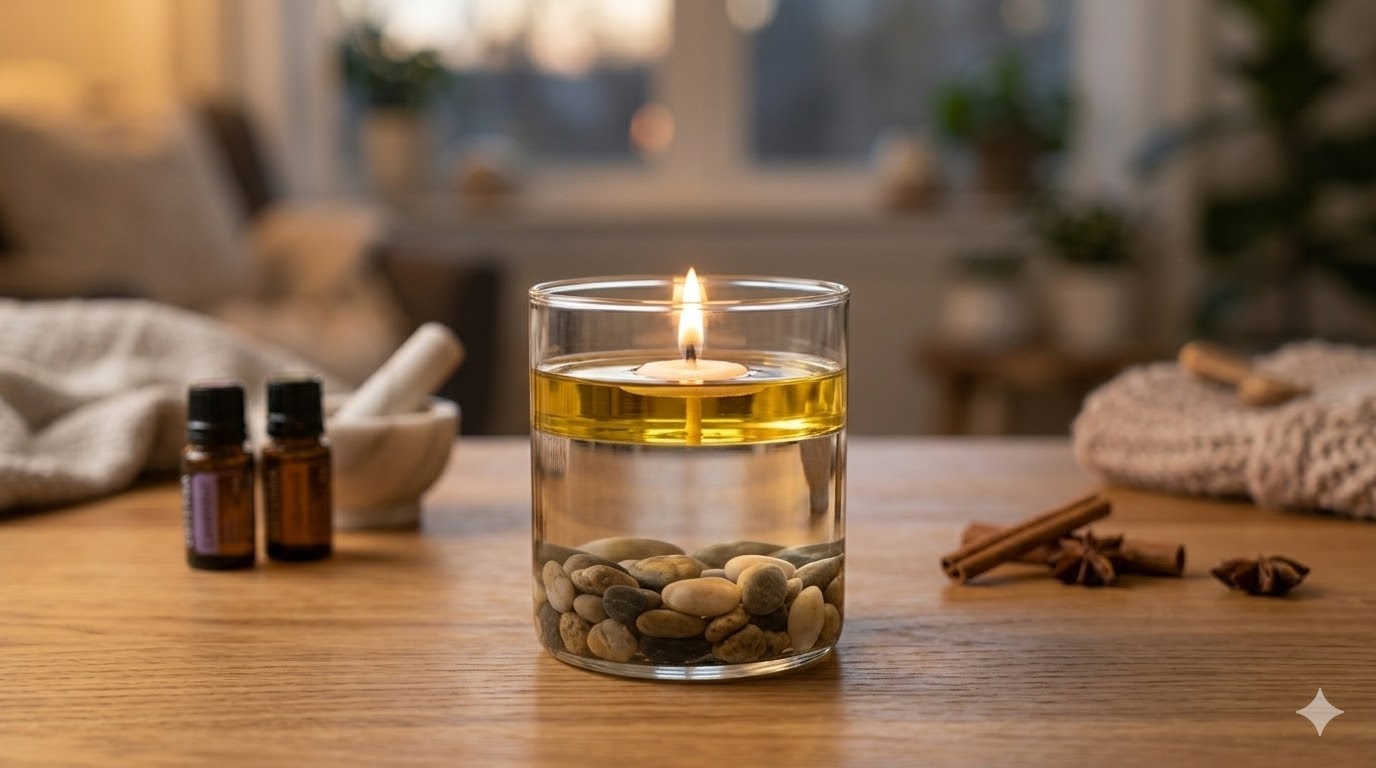
Pour water into your jar until it is about three-quarters full. This creates a base layer that supports the oil on top.
2. Add the Oil Layer
Slowly pour 1–2 tablespoons of olive or vegetable oil on top of the water. The oil will float, forming a separate layer that acts as the fuel.
3. Insert the Wick
Cut a small hole in foil or a plastic lid and insert the cotton wick through it. The bottom of the wick should sit in the oil layer, not the water.
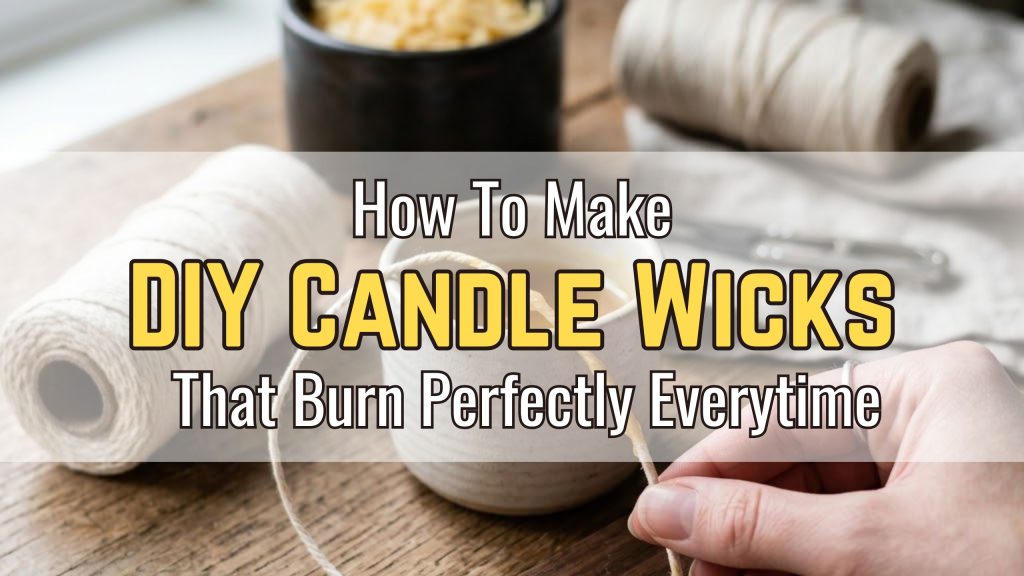
Related: How To Make DIY Candle Wicks That Burn Perfectly Everytime
4. Add Fragrance (Optional)
If you want light home fragrances, add 1–2 drops of essential oil into the oil layer. Do not overdo it — too much can affect the flame.
Related: DIY Candle Scents: Natural Alternatives to Fragrance Oils
5. Light the Candle
Carefully light the wick. The oil will slowly draw up and burn, creating a small steady flame.
6. Monitor While Burning
Unlike traditional diy candle making, this version requires supervision. The flame may be smaller, but always keep it away from drafts.
Common Mistakes to Avoid
-
Using synthetic string as a wick – It can melt or produce toxic fumes.
-
Letting the wick sit in water instead of oil – The candle won’t stay lit.
-
Overfilling with oil – Causes unstable flames.
-
Adding too much essential oil – Can create smoke or flare-ups.
-
Leaving it unattended – Oil-based flames must always be supervised.
Tips & Variations
-
Add small decorative stones at the bottom (under the water layer) for a decorative look.
-
Use colored water for aesthetic variation.
-
Try different plant-based oils to test burn time.
-
Keep wick length short (¼ inch above surface) for cleaner burning.
Safety & Best Practices
-
Never leave the oil candle unattended.
-
Keep away from children and pets.
-
Place on a heat-resistant, stable surface.
-
Do not move while lit.
-
Extinguish with a snuffer instead of blowing hard.
Learning how to make candles at home without wax is a creative way to experiment with diy candle making using simple household materials. While they won’t replace traditional scented candles, they can still provide soft lighting and subtle home fragrances for short-term.
Frequently Asked Questions
1. Can I really make a candle without using any wax?
Yes! Common household items like vegetable shortening (Crisco), lard, or even certain cooking oils can act as a fuel source when paired with a proper cotton wick in a container.
2. Why must no-wax candles be made in a container?
Substitutes like shortening and lard have a much lower melting point than wax. They remain soft at room temperature and will collapse or create a mess without a sturdy jar.
3. Do no-wax candles smell like cooking oil when burning?
High-quality vegetable shortening is virtually odorless. When you add candle-safe fragrance oils, the scent throw is surprisingly clean, making it a great budget-friendly alternative to traditional wax.
4. What is the best wick for a no-wax candle?
100% cotton twine is best. Because shortening is softer than wax, you may need to “prime” the wick by dipping it in the melted shortening first to ensure a steady burn.
5. Are no-wax candles safe for emergency use?
Yes, they are excellent for blackouts as they burn slowly and are very stable. Always keep the wick trimmed and never leave them unattended, just like a standard wax candle.