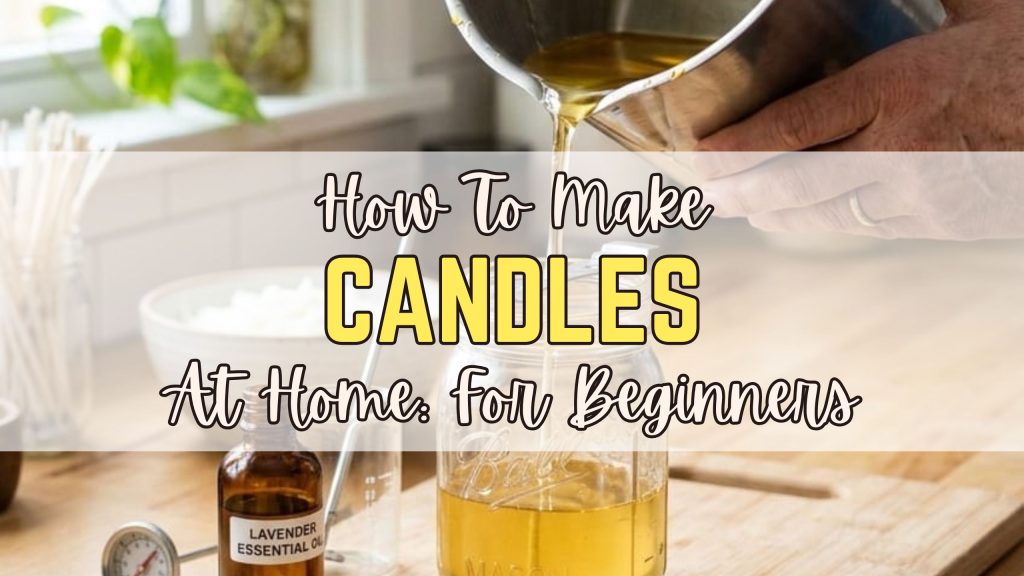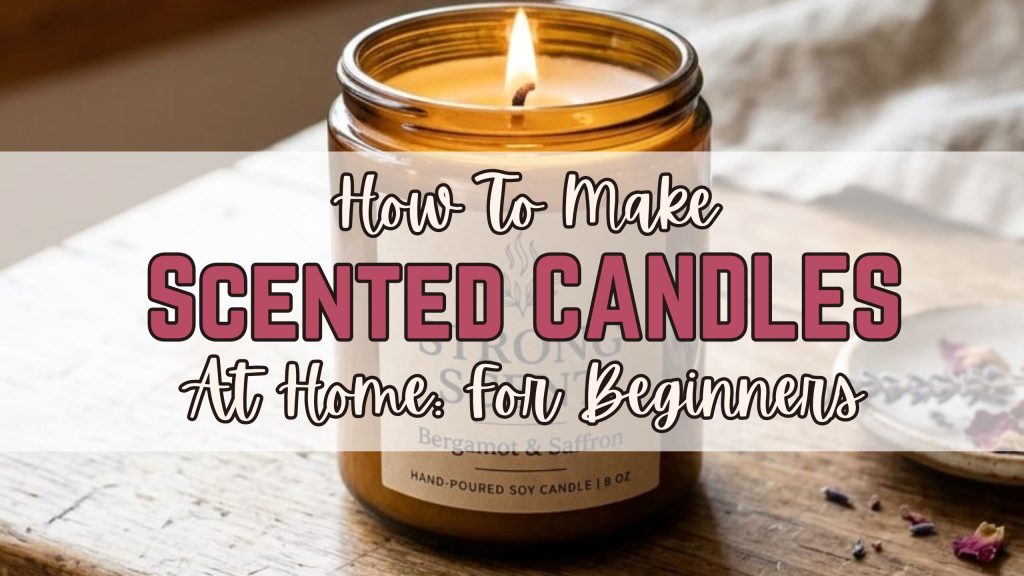
If you’ve been searching for how to make scented candles at home, you’re likely not just looking for instructions — you want candles that actually smell strong, burn clean, and feel special. This guide focuses on exactly that: creating beautiful, long-lasting diy candles that look and smell professional.
Affiliate Disclosure: This article contains affiliate links which means we may earn a commission at no extra cost to you. You can check our affiliate disclosure page here.
Top-Rated Scented Candle Making Kit For Beginners

Let’s start the steps you need to learn to make your perfect scented candles.
Step 1: Start With the Right Wax (It Changes Everything)
The wax you choose determines how strong your scent will be. Use wax according to your preference. If your goal is powerful home fragrances, soy wax is the safest balance between clean and strong.
-
Soy wax → clean burn, excellent for beginners.
-
Beeswax → natural honey aroma, subtle scent throw.
-
Paraffin wax → very strong fragrance throw.
Next you need:
If you don’t have wax and don’t wanna buy it either, you should read this one article:
Step 2: Choose Fragrance Oils (Not All Scents Work)
For strong scented candles, use oils specifically labeled for candle making. Essential oils can work, but many fade quickly in hot wax.
These fragrance oils found on amazon are a good choice.
A good starting point is using fragrance at 6–10% of your wax weight.
Example: If you’re using 500g wax, add 30–50g fragrance oil.
Stir slowly for 1–2 minutes. Rushing this step weakens scent performance.
Related: DIY Candle Scents: Natural Alternatives to Fragrance Oils
Step 3: Temperature Is the Secret to Strong Scent
Most beginners ruin candles here.
-
Melt wax to about 170–180°F (75–82°C).
-
Let it cool slightly before adding fragrance (usually around 170°F for soy).
-
Pour at around 135–145°F for smooth tops.
Temperature control is what separates average diy candles from amazing ones.
Step 4: Secure the Wick Properly
Center your wick using a wick sticker or glue. If it leans, your candle burns unevenly.
Trim the wick to ¼ inch before the first burn.
This small detail dramatically improves how your scented candles perform.
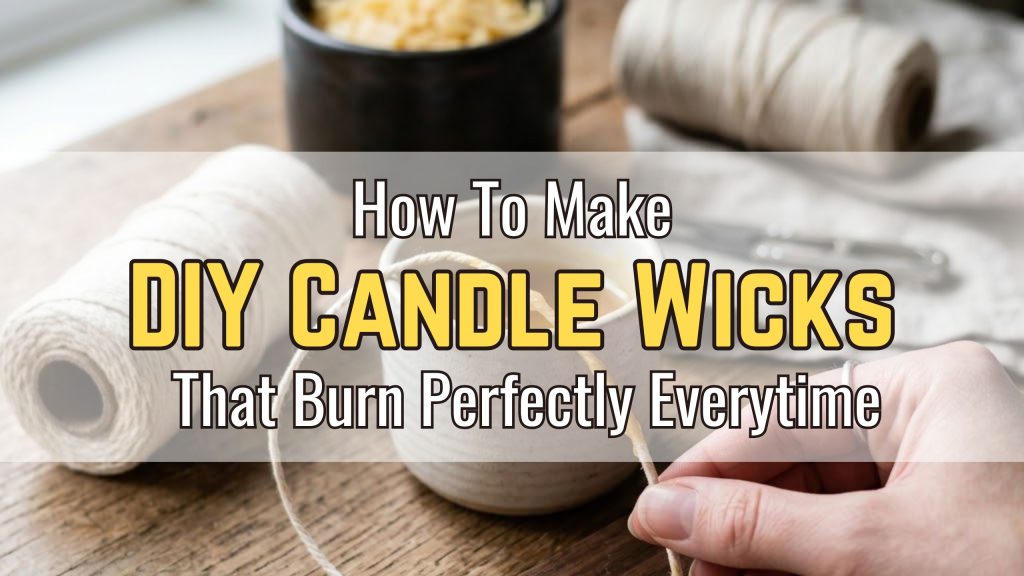
Related: How To Make DIY Candle Wicks That Burn Perfectly Everytime
Step 5: Let the Candle Cure (This Is Where Magic Happens)
After pouring, leave the candle undisturbed for 24 hours.
But here’s what many tutorials don’t emphasize:
For the best scent throw, let soy candles cure 7–14 days before burning.
The longer cure time strengthens the fragrance throughout the wax.
Beginner Scent Combinations That Always Work
If you’re unsure what to blend, try these:
-
Vanilla + Sandalwood (warm and cozy)
-
Lavender + Eucalyptus (clean spa scent)
-
Orange + Cinnamon (comforting and seasonal)
-
Coffee + Cocoa (rich and inviting)
-
Rose + Amber (soft and elegant)
Blending creates unique home fragrances that feel more premium.
Why Your Candle Might Not Smell Strong Enough
If your scented candles aren’t filling the room:
-
You may have added fragrance at the wrong temperature.
-
The wick may be too small for the container.
-
The room may be too large for the candle size.
-
The candle may not be cured long enough.
Strong scent is a mix of wax type, fragrance percentage, and wick size — not just “more oil.”
Related: How to Make Your Homemade Candles to Smell Stronger
Small Details That Make Your Candles Look Professional
-
Warm containers slightly before pouring to prevent sinkholes.
-
Tap jars gently after pouring to release air bubbles.
-
Use minimal dye for a soft, elegant look.
-
Label with scent name and burn instructions.
When learning how to make candles at home, presentation matters just as much as fragrance.
Safety Reminders
-
Never leave melting wax unattended.
-
Always use a double boiler method.
-
Burn candles on heat-resistant surfaces.
-
Keep away from drafts, children, and pets.
Other Related Articles:
Making diy candles is not just about pouring wax into a jar. It’s about crafting an atmosphere. When you understand how to make scented candles at home properly — with the right temperatures, fragrance ratios, and curing time — your candles won’t just smell good. They’ll transform your space into something calm, warm, and personal.
And that’s what truly great home fragrances do.
Frequently Asked Questions
1. How do I make my scented candles smell stronger?
For the best scent throw, use soy wax and add 6–10% fragrance oil at 170°F. Most importantly, allow your candles to cure for 7–14 days before lighting them.
2. Can I use essential oils to scent my candles?
Yes, but fragrance oils specifically made for candles often perform better. Some essential oils lose their scent when exposed to high heat or don’t bind well with the wax.
3. Why is my candle not smelling when I burn it?
A weak “hot throw” usually means the fragrance was added at the wrong temperature, the wick is too small, or the candle wasn’t allowed to cure long enough.
4. What is the best wax for strong home fragrances?
Paraffin wax holds the most fragrance, but soy wax is the best beginner-friendly option. It provides a clean burn and excellent scent throw when handled at the correct temperatures.
5. How much fragrance oil should I add to the wax?
A safe and effective ratio is 1 ounce of fragrance oil per 1 pound of wax (about 6–10%). Using more can cause the wax to become unstable or greasy.