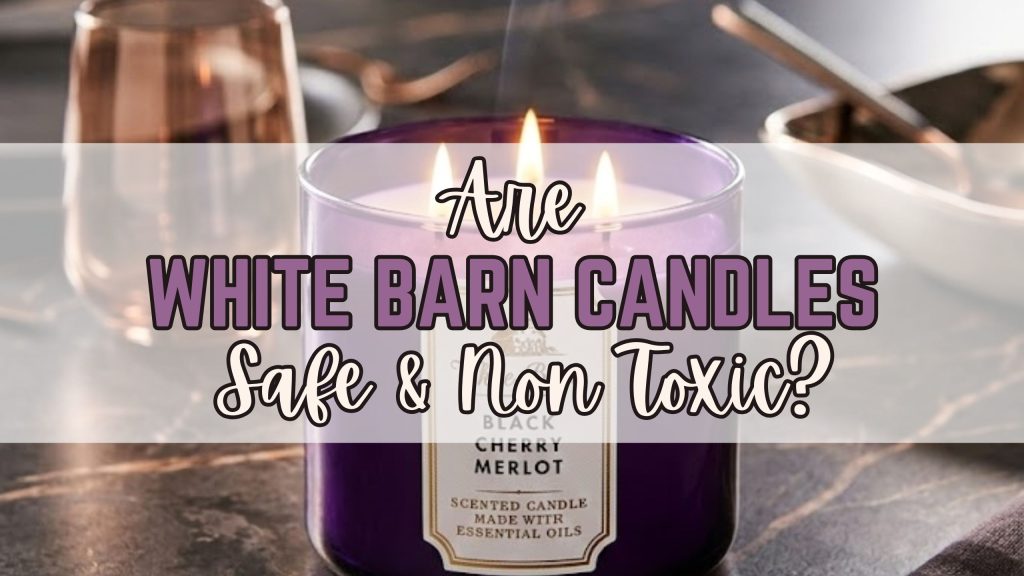

If you’ve been wondering, “Are White Barn candles safe?” you’re not alone. Many people enjoy candles but also worry about what they’re inhaling, whether the wax or fragrance is harmful, or if using them could affect their health.
When you pick up a White Barn candle, you might be asking yourself: Are these candles non-toxic? Could burning them around children, pets, or in small rooms be risky? How do I know if they’re okay for me? It’s normal to have these questions — candles are meant to feel cozy and safe, but the science behind what’s released when they burn can feel confusing.
What People Usually Worry About (And Why That’s Fair)
Candles smell wonderful, but burning them creates smoke, heat, and vaporized compounds. It’s reasonable to wonder if any of that could be harmful. Common concerns include:
-
Toxic fumes or chemicals – Some people read that certain candles release harmful particles when burned. Worries about carcinogens or irritants are understandable, especially if you’re sensitive or have asthma.
-
Soot and indoor air quality – Even if a candle smells clean, soot can accumulate on walls or furniture. It can also irritate lungs if inhaled frequently.
-
Synthetic fragrances vs natural scents – Many candles use a mix of fragrance oils. The terms “synthetic” or “paraffin” sometimes make people nervous because they’re associated with chemicals, even if they’re generally safe in normal use.
-
Effect on children or pets – Kids and pets are more sensitive to strong smells or fumes, so it’s natural to hesitate before burning anything indoors around them.
All of these concerns are fair. Candle companies can’t always make the science simple, and labels don’t always explain what’s inside. Feeling unsure doesn’t mean you’re overreacting — it means you care about your health and environment.
What Actually Matters (And What Doesn’t)
When considering whether White Barn candles—or any candles—are safe, it helps to separate the real risks from common misconceptions:
-
Wax type isn’t inherently dangerous – White Barn candles are typically made from paraffin, soy, or blends. Paraffin comes from petroleum and can release small amounts of compounds when burned, but in normal home use, these are generally low and unlikely to be harmful to healthy adults. Soy and other plant-based waxes burn cleaner and create less soot, but “cleaner” doesn’t automatically mean “completely risk-free.”
-
Fragrance oils are not automatically toxic – Most candle fragrance oils are approved for indoor use, though some people may react to strong scents. A mild headache, sneezing, or irritation is more about personal sensitivity than a universal danger.
-
Ventilation is key – Even a candle made with paraffin is unlikely to cause harm if used in a well-ventilated space. Soot or fragrance particles disperse quickly if there’s airflow.
-
Soot isn’t always dangerous, but it can be messy – Black soot marks aren’t a sign of severe toxicity. They’re mostly carbon particles. For those with respiratory issues, inhaling high amounts over time could be irritating, but occasional burning is usually harmless.
-
“Natural” doesn’t mean safer – A candle labeled soy, beeswax, or natural scent isn’t automatically non-toxic. Sensitivities to fragrances or additives still exist. What matters more is usage habits than the marketing label.
In short, many of the fears you’ve likely read online are exaggerated. The small chemical emissions from typical candles are unlikely to harm most healthy people when used responsibly.
When This Is a Problem — And When It Isn’t
Candles, including White Barn candles, aren’t one-size-fits-all. Here’s when they may be more concerning:
-
High sensitivity or asthma: If you have respiratory issues, burning any candle in a small, closed space could trigger symptoms.
-
Frequent daily burning: Using multiple scented candles for hours every day could increase inhaled particles.
-
Children or pets nearby: Babies, toddlers, and pets can be more sensitive to airborne particles. Extra caution is reasonable.
On the other hand, for most adults in well-ventilated areas burning candles occasionally:
-
Risk is minimal: One or two candles for a few hours a week in a ventilated room is unlikely to cause harm.
-
Enjoyment outweighs small emissions: Most people can safely enjoy the aroma without significant health concerns.
-
Non-toxic in practical terms: While no candle is 100% chemical-free, the exposure is low enough that it rarely matters for healthy users.
How to Make a Better Decision for Yourself
Deciding whether to burn White Barn candles safely doesn’t have to be stressful. Here are some practical ways to feel confident:
-
Check your space: Burn candles in a room with windows or airflow. Avoid tiny closed areas.
-
Limit burn time: Keep candles to 1–3 hours at a time rather than all day.
-
Observe your body: If you notice headaches, coughing, or irritation, step back or move to better ventilation. Sensitivity varies.
-
Trim the wick: A shorter wick produces less soot and smoke.
-
Rotate scents: Strong, synthetic fragrances may feel overwhelming if burned too long. Mixing in lighter scents or unscented candles can help.
-
Monitor children and pets: Keep candles out of reach and watch for signs of irritation.
The key is moderation and awareness rather than avoiding candles entirely. By combining good habits with attention to your environment, you can enjoy candles safely while minimizing any risks.
If you’re asking, “Are White Barn candles safe?” the answer is generally yes for most healthy adults when burned in moderation and with proper ventilation. Concerns about fumes, soot, or fragrances are understandable and worth considering, especially for sensitive individuals, children, or pets. Paying attention to your space, habits, and reactions can help you enjoy the ambiance of candles confidently without unnecessary worry.